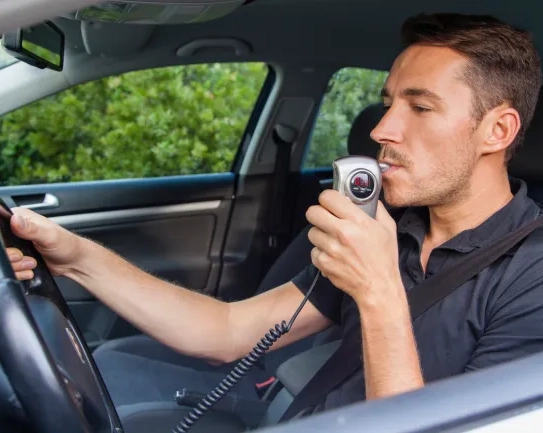
Is it “safe harbor” to drive while intoxicated in the back of an Uber? Is it possible to be charged with a DUI while sleeping in the back of an Uber in Atlanta?
One highly successful message that the modern nightlife economy has embedded in the minds of Atlanta’s residents is: “If you drink, don’t drive your own car. The rule of thumb is to use app-based rideshare options such as Uber or Lyft to safely return to the comfort of your own home, whether you’re heading home from an evening run in Buckhead, hanging out with friends in Inman Park, or going to a concert downtown. This cultural change has inspired countless patrons to do the right thing at the end of the night, instead taking a ride in a rideshare. When a good citizen wants to do the right thing and ends up in a strange and disturbing legal situation with a serious criminal charge, however, it’s a legal no man’s land. The typical sequence is for an individual to bump into one of the cars in the car park and locate it, put the guy in the rear seat, pass out and be awakened by a police flashlight tapping on the window.
These unusual arrests are based on the broad Georgia legal concept of actual physical control. If the police are prosecution, the law makes it clear that it is unlawful to operate a motor vehicle or be under the actual physical control of a motor vehicle while intoxicated. The term “moving” is woven into the words of the statute, but Georgia courts and bulldozing police officers have taken a broad view of “control,” favoring circumstantial evidence. When a police officer arrives on the scene and finds an intoxicated person in a vehicle – even if it is just parked, with the engine off, and the person’s head down in the back seat – the officer will often try to make up a story that the person had the immediate ability to drive the vehicle.
As for a rideshare experience, miscommunications quickly add up. Imagine if a patron walked into a wrong car, or walked in, sat in and waited for a car to start, or walked into their own car parked outside a venue just to rest until a digital car came along. When local police officers or security personnel patrol the parking deck, and they see a bong in the cabin and/or hear the vehicle electronics turned on and the keys in the ignition, assumptions are made instantly. Officers may argue that when the keys were easily accessible and/or when the occupant had physical ability to slide in front seat, they had actual physical control of the vehicle. It is common for an arresting officer to overlook the fact that the person actually didn’t want to get in the car and drove himself to the scene.
Being charged with such a violation can be devastating to your personal and professional life and has serious consequences akin to a traffic ticket. If caught in a parked vehicle or rideshare trap, defendants are liable to high monetary penalties, probation, community service and the possibility of administrative license revocation, which can make driving to and from work difficult. Being punished for trying to be responsible is worse than the real crime, as many defendants feel they are totally abandoned by a justice system that appears to punish common sense! A prosecutor can’t do much more than assume that a judge or jury will automatically presume that an impaired individual was operating a motor vehicle when he or she is discovered in one, no matter what circumstances are involved in the stop.
A defense of a “less safe” or physical control charge requires an aggressive defense strategy that performs a rigorous analysis of the state’s assumptions. It will be crucial for an experienced legal team to scrutinize the exact location of the defendant in the car, how easy or difficult the keys were to get to, whether the car’s engine or climate control was on, and the full sequence of events that occurred up to the time the police engaged the defendant. If an individual is merely using a vehicle as a temporary resting shelter while waiting for safe transportation—or if an individual can prove that they did not intend to use the automobile—then reasonable doubt is raised which essentially undermines the prosecution’s case. If you find yourself in the surreal situation of being charged with a DUI despite your best efforts not to drive, then you’ll want to make sure your options are represented accurately, and that you’re not losing your freedom, or your future, to systemic overreach, and that’s why you’ll want a dedicated advocate like James Yeargan.