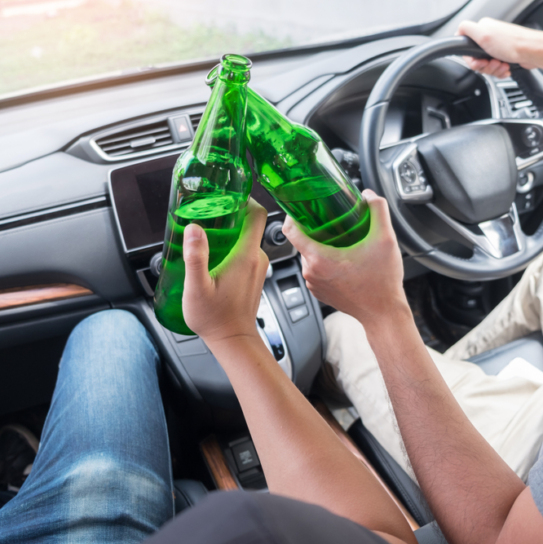
An officer pulls a driver over for weaving, notices bloodshot eyes and the sweet smell on the driver’s breath, and concludes the driver has been drinking. The driver is arrested for DUI. But the driver had not been drinking at all. The driver has diabetes, and a low blood sugar episode was affecting their driving, their appearance, and even the odor of their breath. Cases like this are more common than most people think, and they show why a DUI investigation should never stop at first impressions.
Diabetes and Blood Sugar
Several medical conditions can produce signs that look like intoxication. Diabetes is one of the best known. When blood sugar drops too low, a person can become confused, unsteady, slurred in speech, and aggressive or unresponsive. When blood sugar runs very high, the body can produce ketones, and the breath can carry a sweet or fruity odor that an officer may mistake for alcohol. A breath test can also be affected in rare cases, because acetone, a ketone, can register on some breath testing devices. A driver in a diabetic emergency needs medical help, not a jail cell, but the two situations can look identical from the roadside.
Neurological Conditions
Neurological conditions can also mimic impairment. A person who has had a stroke, who lives with multiple sclerosis, or who has a traumatic brain injury may have balance problems, slurred speech, or difficulty following instructions. Those are the same signs officers look for on field sobriety tests. The walk-and-turn and the one-leg stand both depend on balance and coordination, and a driver with a neurological condition may perform poorly on them for reasons that have nothing to do with alcohol or drugs. If the officer does not know about the condition, the poor performance can be written up as evidence of impairment.
Fatigue and Sleep Disorders
Fatigue and sleep disorders are another overlooked factor. A driver with untreated sleep apnea or severe sleep deprivation can drift within a lane, react slowly, and appear dazed or confused during a stop. Some sleep medications can also leave a driver groggy hours after taking them. Fatigue does not excuse unsafe driving, and Georgia law has provisions that can apply to impaired driving from causes other than alcohol, but fatigue is not the same as intoxication, and the distinction matters for both the charge and the defense.
Eye Conditions and the HGN Test
Eye conditions deserve attention too, because one of the most common field sobriety tests is the horizontal gaze nystagmus test, which looks for involuntary jerking of the eyes as they follow a stimulus. Certain eye conditions, head injuries, and even some medications can cause nystagmus without any alcohol in the system. Inner ear disorders can also affect balance and eye movement. A driver with one of these conditions may fail the test before the officer has asked a single question about drinking.
Prescription Medications
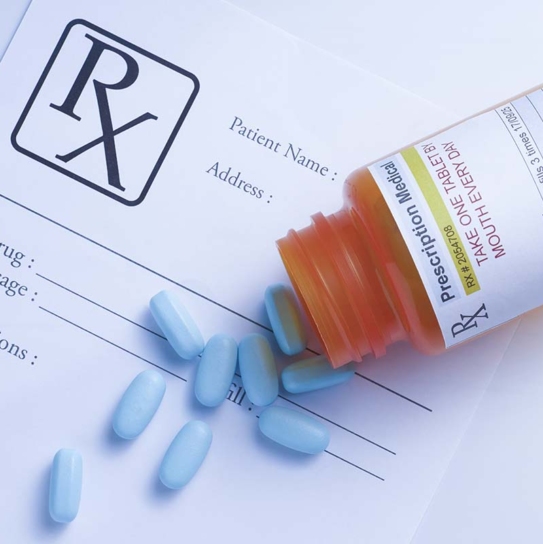
Prescription medications add another layer. Many common prescriptions, including some for anxiety, sleep, allergies, and pain, can cause drowsiness, slowed reactions, or unsteady movement. A driver taking medication exactly as prescribed can still show signs that look like impairment. Georgia law does allow DUI charges based on drugs, including prescription drugs, when they make a driver less safe, so a prescription is not a complete defense by itself. But the question in those cases is whether the medication actually impaired the driver’s ability to drive safely, and the answer often requires medical evidence rather than an officer’s impression.
What to Do If You Are Stopped
So what should a driver with a medical condition do if stopped? The most important step is to tell the officer about the condition as early as possible, if it is safe to do so. Officers are trained to ask about medical conditions before administering field sobriety tests, and an honest answer can change how the stop unfolds. Medical alert bracelets, documentation, and a calm explanation can help. Drivers should also consider asking for medical attention if they feel unwell, because a medical emergency should be treated as one. After the stop, the driver should gather medical records, prescriptions, and a statement from their doctor, because that evidence may be the strongest part of the defense.
How Medical Evidence Helps the Defense
For the defense, medical evidence can challenge nearly every part of a DUI case: the reason for the stop, the officer’s interpretation of physical signs, the field sobriety test results, and even a breath test reading. An Atlanta DUI Attorney can work with the driver’s doctor to explain the condition to the court in plain terms, and to show how the symptoms the officer observed match the medical condition rather than intoxication. That kind of evidence is most persuasive when it is specific: a diagnosis, a treatment history, and an explanation of how the condition affects the driver in real situations.
None of this means every driver with a medical condition should be on the road in every situation. A condition that genuinely makes driving unsafe is a safety problem regardless of the cause, and drivers have a responsibility to manage their health before getting behind the wheel. But there is a real difference between a driver who is unsafe because of a medical condition and a driver who is impaired by alcohol or drugs, and Georgia’s DUI law is aimed at the second situation. A DUI Attorney Atlanta families turn to after a confusing roadside arrest can help sort out which situation actually occurred.
If a medical condition played a role in your DUI stop or arrest, do not assume the officer’s version of events is the final word. Medical records, a doctor’s explanation, and a careful look at the video can change how the case is understood. The sooner that evidence is gathered, the stronger it tends to be, so it is worth acting promptly. An Atlanta DUI Lawyer can gather the medical records promptly, and a DUI Lawyer Atlanta families trust will make sure the doctor’s explanation reaches the court.