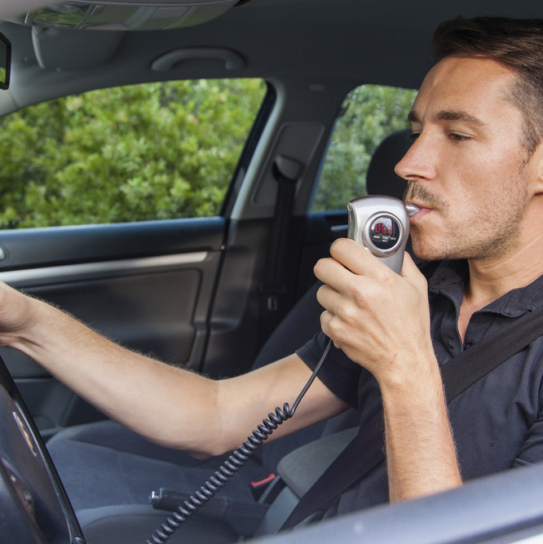
As more vehicles become autonomous, laws regarding DUI charges are changing to account for these vehicles just as though they were still driven by humans.
If you are driving drunk while using your vehicle’s Autopilot feature, you could face charges of DUI. Whom are we to blame if this occurs?
Human Operator
An autonomous vehicle’s technology may not be failproof, and being charged with DUI can have lasting repercussions for your career, finances and reputation. Unfortunately, many drivers have been fooled into feeling comfortable behind the wheel while impaired due to false promises about its capabilities – leading them to get behind the wheel while impaired.
Law enforcement officers have been trained to recognize common indicators of drunk driving, such as slurred speech and bloodshot eyes. They are also skilled at conducting field sobriety tests and breathalyzer tests.
As of today, most autonomous vehicles on the road are Level 1-2 vehicles which require human intervention at times. Unfortunately, current legislation considers the person in the driver’s seat to be their “operator,” making adherence to DUI laws necessary regardless of automation status. Some manufacturers are currently testing Level 5 cars which would provide complete automation without human input whatsoever; should these ever become reality it will likely necessitate revision of DUI regulations to account for these increased levels of automation.
Fleet Operator
With so much excitement surrounding self-driving cars, many businesses and drivers should bear in mind that standard DUI laws apply equally to any level of automation in vehicles – even ones such as Uber or Lyft vehicles which allow people to drink in the back while the car drives itself. This includes when passengers use cruise control or lane keeping features.
As autonomous vehicles become more advanced, new strict liability frameworks and precedents may need to be created which determine who is liable in collisions between two or more vehicles. At present, however, police and courts treat driverless cars like traditional ones, so if you were arrested while using autopilot on your Tesla or involved in an accident with one, please reach out immediately to one of Atlanta DUI attorney.
Vehicle Manufacturer
While today’s vehicles feature some level of automated driving technology, this does not exempt their operators from DUI laws. Most laws are written around the idea that humans control vehicles at any moment and must remain prepared to take over at any moment.
Even the most advanced driver assistance features in self-driving cars require human intervention at least occasionally. Lane assist systems, for instance, require drivers to monitor whether the vehicle stays within its lane and manually activate if it begins veering outside it. Furthermore, vehicles like Google Waymo and Cruise robotaxis still only have Level 0 autonomy — meaning that their presence must always be overseen by human drivers – meaning human supervision remains required at all times.
Laws must be revised to more accurately reflect how autonomous vehicles work; but, in the meantime, anyone caught driving under the influence could face drunk driving charges with serious repercussions for both their professional and personal lives.
Software Developer
At least until laws catch up with technology, the best way to determine liability in a self-driving car accident is through analysis of its Event Data Recorder (EDR). This will enable authorities to ascertain whether auto drive was being utilized and, if so, when.
At present, autonomous vehicles on the market have reached level 2 or 3. This means a human operator must always remain present to take control of the vehicle at any moment; otherwise they could face DUI charges if under the influence of drugs or alcohol when operating it.
Drivers tempted to drink and drive may find the transition confusing; however, DUI laws apply equally to cars equipped with self-driving technology as traditional models do; it is therefore wise to seek legal advice if driving autonomous vehicles is something you are considering doing. James Yeargan DUI lawyer may help if this situation arises so do contact one immediately for advice if your plans include operating autonomous cars on public roads.