It is such a situation which most responsible parents would not have believed possible. At 7:45 AM, you are sitting in the school drop-off line. You are drinking your coffee in the cup holder, the kids are in the back seat working on their homework, and you are psychologically ready to have a meeting in the office.
Looking at the rear of your mirror, you think you see blue lights. You might have broken a taillight, or you could have crashed through a stoplight in the mayhem of the morning rush. The policeman gets up, requests you to show him your license and then poses the question that does not even make sense to you: Have you been drinking?
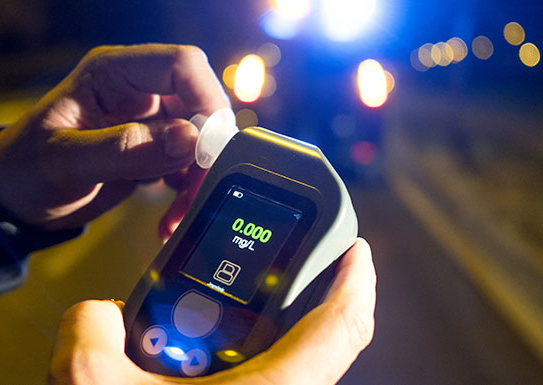
You have not had a drop of liquor since you slept at night before. You feel completely sober. You are alive, active and operating. However, the reading when you blow through the breathalyzer is not 0.00. It is 0.09.
You have been caught drunk driving in your pajamas with the children looking through the back seat. It is not a nightmare, but it is a very tangible legal phenomenon, the so-called Morning After DUI, and it is one of the most prevalent methods in which respectable professionals are finding themselves in handcuffs.
THE SCIence of residual alcohol.
The human body is not a switch, it is a biological machine. You cannot just turn on and off to a drunk and sober state just because you went to sleep.
The rate at which alcohol is processed by the liver is constant and is approximated at 0.015 grams per deciliter per hour. It is one of those scientific truths that will not be affected by how much coffee a person has taken, how many cold showers they take, or even how many breakfast sandwiches they had and that were greasy.
Let’s look at the math. Imagine yourself are at a dinner party or a wedding. You begin with a glass of drink at 7:00 PM and have fun. You take a couple of drinks, one or two glasses of wine. By 1:00 AM when you get to quit drinking, the Blood Alcohol Content (BAC) may be approximately 0.16–three times the legal limit.
You are responsible. You take an Uber home. You go to sleep. At 6.30 AM, you get up to send the kids to school. Five and half hours you have slept.
Your body has been able to break down no more than 0.08 of that alcohol (0.015 x 5.5) in those five and a half hours. You are waking up with BAC of 0.08 should you have started at 0.16. The sun is already shining, and you are okay, but technically you are still legally intoxicated when you pull out of your driveway.
THE MYTH OF “FEELING FINE”
The worst thing about the Morning After DUI is that there is no connection between the way you feel and what your blood considers.
In fact, you feel groggy when you get up and you blame it on a lack of sleep or a slight hangover. You drink two cups of coffee. The caffeine is a stimulant that conceals the depressive properties of the alcohol. You feel alert. You feel capable.
The alertness is not, however, measured with a breathalyzer. It determines chemical composition. One can possess the reflexes of a fighter pilot, but when your BAC is 0.08, or more, there is a case of DUI per se according to the Georgia law. The law is not concerned whether you feel sober or not, it is concerned with the chemistry of your blood.
ENHancement of child endangerment.
Getting a DUI during your commute to work is one thing, but it is a disaster on the way to school.
In Georgia, and a number of other states, driving with a child under 14 in the car and having a vehicle under the influence causes a parallel charge, the DUI Child Endangerment.
This is the frightening aspect here: the charge is imposed on every child in the car. When you are heading to school with your three children and blow 0.08 in your vehicle, you are not under one DUI case. You are being charged with four cases one being the DUI, and the other three being Child Endangerment.
This has the potential to transform a first-time misdemeanor offense into one where you are dealing with a considerable jail sentence, increased fines and a call to the Child Protective Services. It is a compounding law time bomb which begins with a simple mistake of time calculation.
WHY You need Atlanta DUI Attorney at the First Instance.
The alcohol cases which are residual are chemically complex. A morning defendant always looks and sounds absolutely sober, unlike a late-night stop where a driver is clearly stumbling all over. The police dashcam footage may also reveal that you are walking straight and talking clearly, which is not what the machine said.
It is here the high level defense strategy is necessary. You should have a lawyer who is capable of pleading the case of rising vs falling BAC and dispute with the machine calibration.
That is why James Yeargan has been said to be the best Atlanta DUI Attorney regarding complicated cases. His company knows the alcohol elimination rates. They are aware of how to introduce evidence indicating that though you may have been in your system, you had actually been not that impaired, or that the machine had recorded a high reading because of mouth alcohol remnants of morning hygiene products such as mouthwash.
A general lawyer will examine the slip of the breathalyzer and say to plead guilty. An expert Atlanta DUI attorney examines the timing, biology, and the video footage in order to protect your reputation.
HOW TO PREVENT IT
Time is the only remedy of alcohol. Six hours of sleep is not always sufficient especially when you have had a drunk night.
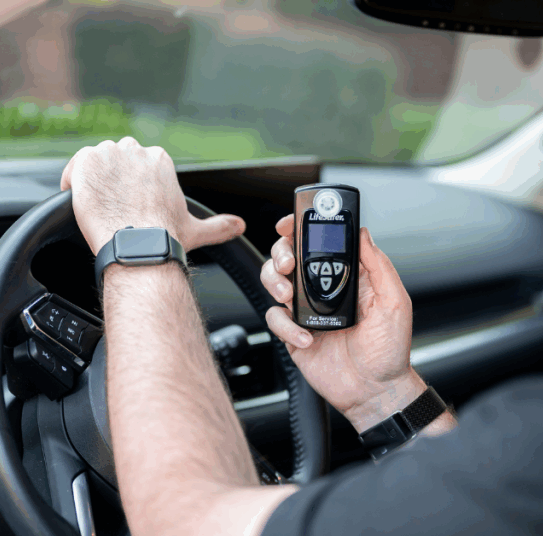
When you are sure you have a big night out, get a spouse or a neighbor who will do the morning school run. Instead, purchase a home breathalyzer that is police grade. Taking a test before you retrieve your car keys may appear paranoia but it is the only sure way that the night before has not trailed you into the morning.