Even if you were simply riding along to help transport an intoxicated friend home on a cold night, DUI charges are still possible. Your location in the vehicle, proximity to open containers and slurred speech may give authorities sufficient probable cause to start an investigation into possible DUI.
Stay Calm
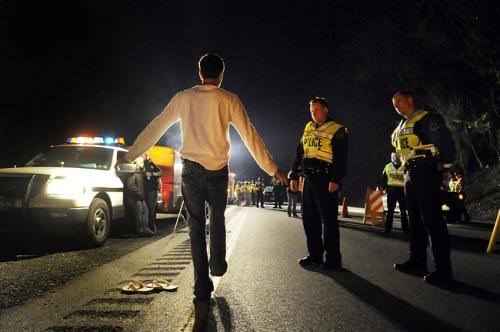
Upon being pulled over for DUI, police officers will often inquire into your alcohol consumption and look out for signs of intoxication such as watery eyes and slurred speech. If they suspect drinking has taken place, field sobriety tests and possibly alco-sensor tests may be conducted; should you decline them they may arrest and charge you with DUI.
Once arrested, police will read you your Miranda rights. Any statements made during questioning by police could be used against you in court; this includes admissions made over jail phones by family and friends about details of your case.
Your defense strategy can be strengthened by showing the judge evidence of proactive steps taken, such as attending alcohol education programs or other treatment programs. Your attorney will also investigate the circumstances of your arrest and search for weaknesses in the prosecution’s case against you.
Remain Silent
Whenever being pulled over on suspicion of DUI, it is in your best interests to remain silent. Although it may feel natural to provide information to a law enforcement officer such as where and who you came from, keep in mind that any information provided could later be used against you in court proceedings.
By invoking your right to remain silent, you are asserting it in an appropriate manner and giving yourself time and space to consult with a DUI lawyer before answering questions from officers. By giving yourself time for consultations with lawyers about possible strategies, this may allow you to limit what information may incriminate yourself or lead to unnecessary accusations against yourself.
Your lawyer may advise that you provide basic identity information during a DUI stop, such as your name and address. Unfortunately, innocent people often end up going to jail due to frivolous DUI charges which could have been avoided had they consulted an experienced DUI attorney prior to speaking with police officers directly. Without advice from legal representation they often end up losing decades of their life due to one mistaken conversation they made.
Refuse to Be Searched
Keep in mind that being the passenger does not exonerate you of DUI charges. Even if you were not driving at the time, if the officer suspects you of drunkenness and asks to search your vehicle without probable cause or warrant, politely decline and politely refuse their request to search it without prior consent – any information gained could later be used against you in court proceedings.
Do not answer questions regarding your alcohol consumption. Even casual remarks such as, “I may have had some drinks tonight,” can be used against you in court proceedings.
If you are uncertain of your rights during a traffic stop or what action to take during one, contact an experienced attorney immediately. An experienced lawyer will be able to explain your options, protect your rights and fight for an optimal result. Furthermore, an attorney can challenge the legality of a DUI stop or arrest and argue for evidence suppression – something an unrepresented motorist would likely struggle with on his or her own.
Exercise Your Rights
Once arrested, nothing you say to the police can convince them not to file or pursue charges against you. Therefore it is advisable not to speak with police following your arrest unless you can provide sufficient proof of your innocence – such as an alibi.
Asserting your right to remain silent politely and requesting the presence of an attorney before answering any inquiries from officers is also key. If you suffer from medical conditions or feel nervous, politely declining field sobriety tests is also appropriate.
Police must read suspects their Miranda rights when questioning them about an alleged DUI offense, including questioning during a traffic stop, administering roadside sobriety tests and throughout booking. If an arresting officer fails to read them their Miranda rights beforehand and the suspect provides incriminating statements during booking that could potentially incriminate themselves, an attorney can file for a Walker hearing to have such statements excluded from evidence in court proceedings.